Coin Authenticity Checker

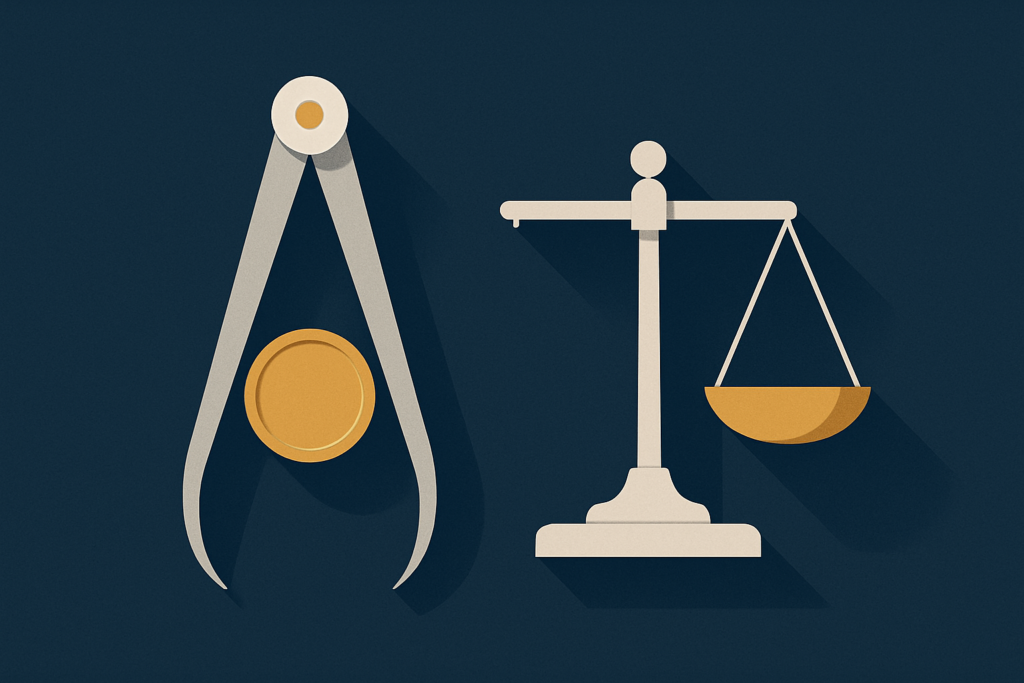
Straight answer
A genuine bullion coin matches its mint’s exact weight and diameter — counterfeits almost always miss one or both because fake metals can’t copy gold’s and silver’s density at the right size. Pick the coin, enter the weight and diameter you measured with a scale and calipers, and this flags whether your measurements fall within the mint’s tolerance. It’s a strong first screen, not a substitute for a dealer’s verification or an XRF/ultrasound test.
Most fakes fail basic physics: to match a coin’s diameter and weight, a counterfeiter would need real gold or silver. A digital scale and calipers catch the majority of them in seconds.
Tolerances here are practical screening bands (±1% weight, ±0.3 mm diameter), not official mint specs. A coin can pass this and still be fake (e.g. tungsten cores in large bars) — for high-value pieces use a dealer, a Fisch/Sigma tester, or XRF. This is a first check, not proof.
How the weight-and-diameter test works
Gold (19.3 g/cm³) and silver (10.5 g/cm³) are unusually dense. To fake a coin’s exact diameter and weight, a counterfeiter would essentially need the real metal — cheaper substitutes come out too light or the wrong size. That’s why a calibrated digital scale (0.01 g) and calipers (0.01 mm) catch most fakes for the price of a cheap tool. Pair it with the “ping” test, a magnet (gold and silver are non-magnetic), and visual checks against known images.
What this test can’t catch
Sophisticated fakes use a tungsten core (tungsten’s density is close to gold’s) clad in real gold, which can pass weight and size. For larger bars and high-value coins, use ultrasonic thickness gauges, Fisch testers, Sigma Metalytics, or XRF analysis — and buy from reputable dealers in the first place. See how to spot fake gold coins for the full checklist.
How can I tell if a gold coin is real at home?
Weigh it on a 0.01 g scale and measure its diameter with calipers, then compare to the mint’s specs (this tool does that). Add a magnet test (real gold and silver aren’t magnetic) and the “ping” ring test. These catch most fakes, but high-value coins should still be professionally verified.
What weight should a 1 oz Gold Eagle be?
33.93 grams — heavier than one troy ounce (31.10 g) because the American Eagle is 22-karat, alloyed with copper and silver for durability, at 32.7 mm diameter. A 1 oz Gold Buffalo, being .9999 fine, weighs 31.10 g at the same diameter.
Can a fake coin pass the weight and size test?
Rarely, but yes — a tungsten core clad in gold can match both because tungsten’s density is close to gold’s. That’s why this is a first screen; for expensive pieces use ultrasonic, Fisch/Sigma, or XRF testing and buy from trusted dealers.